
Social Sustainability Solutions: Building Stronger Communities and Responsible Businesses in South Africa – An Umsizi perspective
Social Sustainability Solutions: Just a Corporate Obligation?
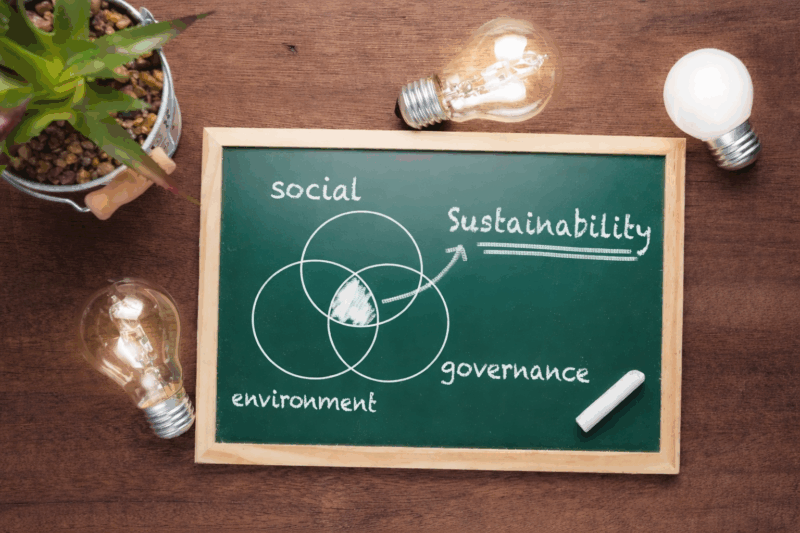
In recent years, the conversation around sustainability has shifted. The focus has long been centred around environmental responsibility and ticking compliance boxes. As of late, the focus is expanding, and two additional major pillars, namely good governance and social sustainability, are emerging as equally important to environmental stewardship.
This is where social sustainability solutions come into focus.
For many organisations in South Africa, particularly in sectors like mining, manufacturing, and large-scale industry, the pressure to demonstrate meaningful social impact is growing. Regulators, investors, employees, and the communities are pushing for more inclusion and transparency in the social space and global Environmental, Social, and Governance (ESG) standards are measuring this. But social sustainability isn’t a one-size-fits-all checklist. It’s a strategic, deeply human process that requires insight, structure, and long-term commitment.
Understanding Social Sustainability in the ESG Framework
ESG frameworks have become the global standard for measuring responsible business practices, improving transparency and accountability. While environmental and governance factors often get the spotlight, the “S” in ESG remains the most neglected pillar, despite it being arguably the most impactful.
Social sustainability focuses on:
- The wellbeing of employees
- The development of surrounding communities
- Ethical labour practices
- Health, safety, and human rights
- Inclusive economic participation
In South Africa, this takes on even greater importance due to historical inequality, high unemployment rates, and ongoing socio-economic challenges, an issue the government has taken various steps to address through the BBBEE and Employment Equity Acts.
A well-designed corporate social sustainability solution ensures that businesses are compliant and actively contributing to long-term societal improvement for their employees and communities.
The Real Impact: Employees and Communities
At its core, social sustainability is about people. But the impact plays out in two critical areas: inside the organisation and beyond its walls.
Employees: The Internal Ecosystem
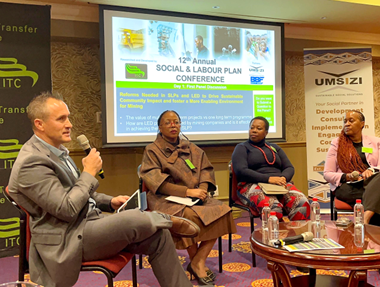
Employees are the first and most immediate beneficiaries of strong social strategies.
Effective social sustainability solutions can:
- Improve workplace safety and wellbeing
- Strengthen employee engagement and morale
- Promote diversity, equity, and inclusion
- Provide access to skills development and career growth
It is a well-known fact that when employees feel valued and supported, productivity increases, retention improves, and the organisation builds a culture that attracts top talent. This has direct impacts on business unit level profitability and client/customer satisfaction, Krekel et al. (2019) found that there is a “significant, strong positive correlation between employees’ satisfaction with their company and employee productivity and customer loyalty”.
Communities: The External Responsibility
For companies operating in or near vulnerable communities, especially in mining regions, and large corporations with broad footprints and direct impacts on both the people and economies within the areas that they operate in, social sustainability extends far beyond the workplace. Mining and large corporations exist within the ambit of a community, and it is imperative to understand the social interrelationships and dynamics between the organisation and the community. This should be underpinned by ongoing and meaningful stakeholder engagement, social impact assessment, and social investment guided by priority areas such as:
- Increasing job creation, enterprise development and skills development for greater socio-economic benefit
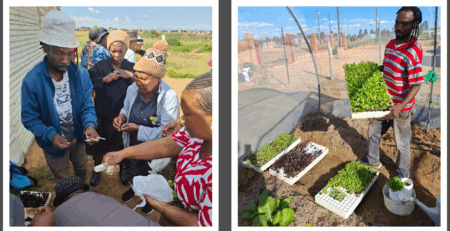
- Promoting food security and livelihood programmes for greater community resilience
- Supporting education and youth development interventions for empowering the next generation with access to sustainable economic opportunities
- Driving interventions to deal with social issues such as substance abuse, gender-based violence, and building the capacity of leaders in developmental matters
- Collaborating through public-private partnerships that deliver basic and essential services and infrastructure to communities
This is where structured, well-implemented social sustainability solutions become essential. Without a clear strategy, even well-intentioned initiatives can fall flat, or worse, create dependency instead of empowerment.
From Obligation to Opportunity: Social Performance Solutions
Many organisations approach social sustainability from a compliance perspective. While compliance is critical, it is not the end goal.
Companies are shifting towards social performance solutions as a more strategic and measurable approach to social impact that are inclusive of the legislated requirements, but that are tailored to the company and its unique values and social goals.
What Are Social Performance Solutions?
These are structured systems designed to:
- Define clear social objectives
- Measure outcomes and impact
- Align initiatives with business strategy
- Ensure long-term sustainability
Rather than isolated social projects and once-off interventions, such as funding projects, organisations should begin to ask the following questions
- What measurable difference are we making?
- Are our initiatives sustainable beyond funding cycles?
- How do we track progress and success?
- Are we able to build on the successes of previous social interventions?
The Role of Metrics in Social Sustainability
“What gets measured gets managed.”
This principle applies directly to social sustainability. Metrics turn intention into insight, and insight into better decision-making. Some good examples of measurable metrics include:
• Number of jobs created within communities and number of persons engaged in business, livelihood or other income earning activities
Job creation is often one of the most visible indicators of social impact, particularly in areas with high unemployment where a company has a direct impact on the economy and job creation opportunities. It is important to go beyond counting jobs, and organisations should consider the quality of employment, opportunities for growth, and whether these roles contribute to long-term economic participation, and if the skills learnt are “portable” to other industries and are thus not finite within the industry in which the company operates. A good example of some portable skills are basic computer competence and drivers’ licences, both cheap and accessible training options for companies. Sustainable job creation should empower individuals, and not only provide temporary relief.
• Participation rates in development programmes
Participation rates offer insight into how relevant and accessible programmes are. Low participation may indicate barriers such as location, communication gaps, or lack of trust within the community. On the other hand, high participation reflects strong engagement and perceived value. Tracking this metric helps organisations refine their approach and ensure inclusivity.
• Reduction in social risks (e.g., crime, GBVF, substance abuse)
While more complex to measure, reductions in social risks are powerful indicators of long-term impact. Effective social sustainability solutions often contribute to safer and more stable communities. This requires collaboration with local stakeholders and thoughtful tracking, but the long-term benefits are significant.
• Employee wellbeing indicators
Internally, employee wellbeing is a critical component of social sustainability. Metrics such as absenteeism, engagement, and retention provide insight into how effectively an organisation supports its workforce. A strong internal culture strengthens overall business performance.
• Community satisfaction and engagement levels
Community perception can make or break a social initiative. Measuring satisfaction through feedback sessions or surveys helps organisations understand how their efforts are received, and where improvements are needed. It also builds trust and transparency which directly impacts how your companies presence will be received within an area, with hostility or with support. Future fluctuations within the organisation will be received differently depending on how your company is perceived; projects, developments, retrenchments, and processes can be handled with acceptance and support from both communities and employees if the company is in good standing with those affected.
- Community resilience
How has the company’s social investment contributed towards improving the resilience of people living in affected communities. Has the intervention contributed towards increasing livelihood options for vulnerable persons? Are people better equipped to deal with adverse circumstances such as drought, intense rainfall events, economic challenges (such as with the current rising fuel costs and inflation), crime, social ills, lack of services, etc. Has the programme enabled communities to engage in value-creation within circular driven economies focussed on recycling and enhancing community asset stewardship e.g. regenerative-agriculture, enterprise development, manufacturing, livestock, renewable energy, green livelihoods, digital economy etc. How has the intervention empowered youth and women to take positive action towards planning and starting, or increasing, local economic activities and social welfare community-based interventions?
Developing Effective Social Policies and Strategies
One of the most overlooked aspects of social sustainability is structured policy and strategy development that has been developed through the following:
1. Clear Objectives – A strong social sustainability strategy starts clearly defined objectives. These objectives should align with ESG priorities and business goals, ensuring that social investment delivers both impact and strategic value.
2. Effective Stakeholder Engagement – Stakeholder engagement is where strategies either succeed or fail. Effective solutions require ongoing dialogue, not a once-off consultation. Communities must feel heard, and leadership must remain actively involved and receptive.
3. Programme Design – Where strategy becomes action. Each initiative must address a real need and have a defined plan. Strong programme design considers scalability, sustainability, and long-term value from the start.
4. Implementation Framework – A structured implementation framework ensures accountability, timelines, and clear responsibilities. This turns strategy into consistent action.
5. Theory of change indicators – Establishing key metrics to measure the social impact from the social investment or intervention and transition of target beneficiaries in a community from dependency, poverty, and vulnerability, towards self-reliance and sustainability. This should also look at the pathways and processes that unfold beyond social interventions where locals take ownership towards their own desired future.
5. Monitoring and Evaluation – Monitoring and evaluation tracks if and how initiatives remain effective over time. This process enables continuous improvement and ensures long-term success.
The Role of Consulting in Social Sustainability

Organisations often struggle with the internal capacity to develop and implement comprehensive social sustainability strategies that align to the plethora of regulations and standards that exist both nationally and internationally. This is where consulting plays a critical role.
• Policy and strategy development
Consultants help translate ESG standards into actionable frameworks unique to the company goals. This ensures that strategies are aligned, practical, and measurable, providing a strong foundation for implementation.
• ESG alignment and reporting
Aligning social initiatives with ESG frameworks can be complex. Consultants assist with structuring data, defining indicators, and ensuring credible reporting that builds trust with stakeholders and investors on a global scale.
• Programme design and implementation
Consultants bring experience and insight, helping organisations design scalable, effective programmes while avoiding common pitfalls, and provide structure during implementation.
• Compliance with mining and social regulations
In sectors like mining, compliance is critical. Consultants help navigate requirements within mining legislation such as the Mining Charter III, the MPRDA, and the Employment Equity act, ensuring that obligations translate into meaningful community impact.
• Stakeholder engagement frameworks
Structured engagement frameworks improve communication, reduce conflict, and build long-term trust between organisations and communities. This is crucial for the success of any sustainable strategy, and could make or break a project before it starts.
Addressing South Africa’s Unique Social Challenges
South Africa presents a unique and complex environment for social sustainability.
Challenges include:
- High unemployment and lack of economic opportunities
- Failure of municipalities and governance
- Breakdown in basic services and infrastructure
- Food insecurity and rising food costs
- Skills shortages and access to quality education
- Social instability in certain regions
- Increase in crime and social ills
Effective social sustainability solutions must be:
- Context-specific
- Community-driven
- Sustainable over time
Programmes must be designed with local realities in mind to ensure real impact.
Sustainability That Lasts: Moving Beyond Short-Term Projects
One of the biggest pitfalls in social development is the reliance on short-term, once-off initiatives. While these efforts may provide immediate relief, they do not address the underlying challenges facing communities, and in many cases, they can even unintentionally create dependency.
For organisations operating in complex environments such as mining regions or under-resourced communities, this sporadic approach is not effective and does not result in the outcomes that ultimately positively benefit the company, i.e. community good-well, project support and buy-in. Sustainable impact requires a deliberate shift from reactive to structured, long-term development.
True sustainability focuses on:
- Long-term impact
Sustainable initiatives are designed with longevity in mind. This means moving beyond annual budgets or once off investments, and instead building programmes that can evolve and continue delivering value over time. For Umsizi, this often involves designing multi-phase multi-pronged development initiatives that align with best practice and legislation requirements in the mining industry and create measurable, lasting outcomes.
- Community empowerment
Empowerment is about enabling communities to take ownership of their own development and futures. Umsizi’s approach focuses on equipping individuals and groups with the knowledge, tools, and structures needed to drive progress without the dependency on the organisation. At an individual level, this creates dignity and ownership, and resilience and support within communities.
- Economic participation
Sustainable development must create pathways into the active economy. This includes enterprise development, business training, and supporting SMMEs and businesses so that communities can actively participate in, benefit from, and create a circular economy that is not reliant on large organisations or mining houses for their jobs and income. Umsizi’s programmes often integrate these elements to ensure that development translates into real economic opportunity.
- Self-sufficiency
The ultimate goal of any social sustainability solution should be independence. Through food security programmes that evolve into community-led production, or skills initiatives that lead to entrepreneurship or employment, Umsizi’s focus is on reducing reliance, and building long-term capacity and resilience.
The shift from relief to empowerment is what defines successful social sustainability solutions. Umsizi add the most value by designing and implementing programmes that fundamentally change the trajectory of individuals’ lives and their communities over time.
The Business Case for Social Sustainability
There is a strong business case for investing in social sustainability. Benefits include:
- Improved reputation
Organisations that actively invest in social sustainability are increasingly seen as responsible, forward-thinking, and trustworthy. In today’s environment, reputation is shaped not just by what a company says, but by what it does, and this can be very pronounced and even tangible in the communities where it operates. Demonstrating real, measurable impact strengthens company image and can position the organisation as a committed partner in social progress.
- Stronger community relationships
Social sustainability builds trust between organisations and the communities they operate in. When communities feel included, supported, and heard, relationships shift, often from scepticism to support and collaboration. This is particularly important in sectors like mining, where community sentiment can greatly influence operations, the success or failure of their social projects, the relationship with the employees sourced locally, and the future initiatives in the area.
- Reduced operational risk
Poor community relations, unresolved social issues, and lack of engagement can lead to distrust, disruptions, or reputational damage. By proactively investing in social sustainability solutions, organisations reduce these risks significantly and proactively by addressing potential challenges.
Increased investor confidence
Investors are placing growing importance on ESG performance, particularly the social component. Companies that can demonstrate clear social strategies, measurable outcomes, and transparent reporting are more attractive to investors.
- Better ESG performance
Strong social sustainability initiatives directly contribute to improved ESG ratings and reporting. This supports local compliance and enhances the organisation’s standing in global markets. A well-executed social strategy ensures that the “S” in ESG is not overlooked and actively drives performance and accountability.
In many industries, this directly impacts long-term success. Organisations that invest in people and communities are better positioned to operate sustainably, grow responsibly, and maintain their social licence to operate.
A Strategic Path Forward
To strengthen social impact, organisations should:
- Assess current initiatives
Many organisations have multiple social initiatives in place, but these are often fragmented or not aligned with a broader strategy. Conducting a thorough assessment helps identify gaps, and opportunities for improvement, creating a clear starting point for more structured development.
- Align with ESG frameworks
Social initiatives should be aligned with recognised ESG frameworks to ensure consistency, credibility, and effective reporting. This alignment helps organisations measure impact more accurately and communicate their efforts to stakeholders, investors, and regulators in a structured and transparent way.
- Develop structured strategies
A clear, well-defined strategy is essential, this includes setting objectives, defining priority areas, creating a roadmap for implementation, and monitoring and evaluation procedures. A strong strategy ensures alignment across all levels of the organisation.
- Implement measurable solutions
Social sustainability efforts must be measurable to be effective. This means defining key performance indicators, tracking progress, and evaluating outcomes regularly. Measurable solutions allow organisations to demonstrate real impact, refine their approach, and ensure accountability.
- Engage stakeholders consistently
Ongoing stakeholder engagement is critical. This includes regular communication with communities, employees, government entities, and partners. Consistent engagement builds trust, and ensures that initiatives remain relevant and responsive to real needs.
- Monitor and Evaluate
Regularly monitor the outcomes and impact of ESG strategies and programmes. Improve, refine, and adjust these programmes accordingly. Evaluate the true social performance and return on investment as it pertains to strengthening the “E” the “S” the “G” and the “R” (Resilience).
This requires a mindset shift from viewing social sustainability as a cost centre to recognising it as a strategic investment in people, stability, and long-term business success.
In Conclusion: Building a Future That Works for Everyone
Social sustainability is not a trend; it is a necessity.
In South Africa, social sustainability solutions offer a pathway to:
- Compliance
- Community empowerment
- Stronger ESG performance
- Long-term impact
Organisations that embrace this approach build better businesses and help shape a stronger, more inclusive society.